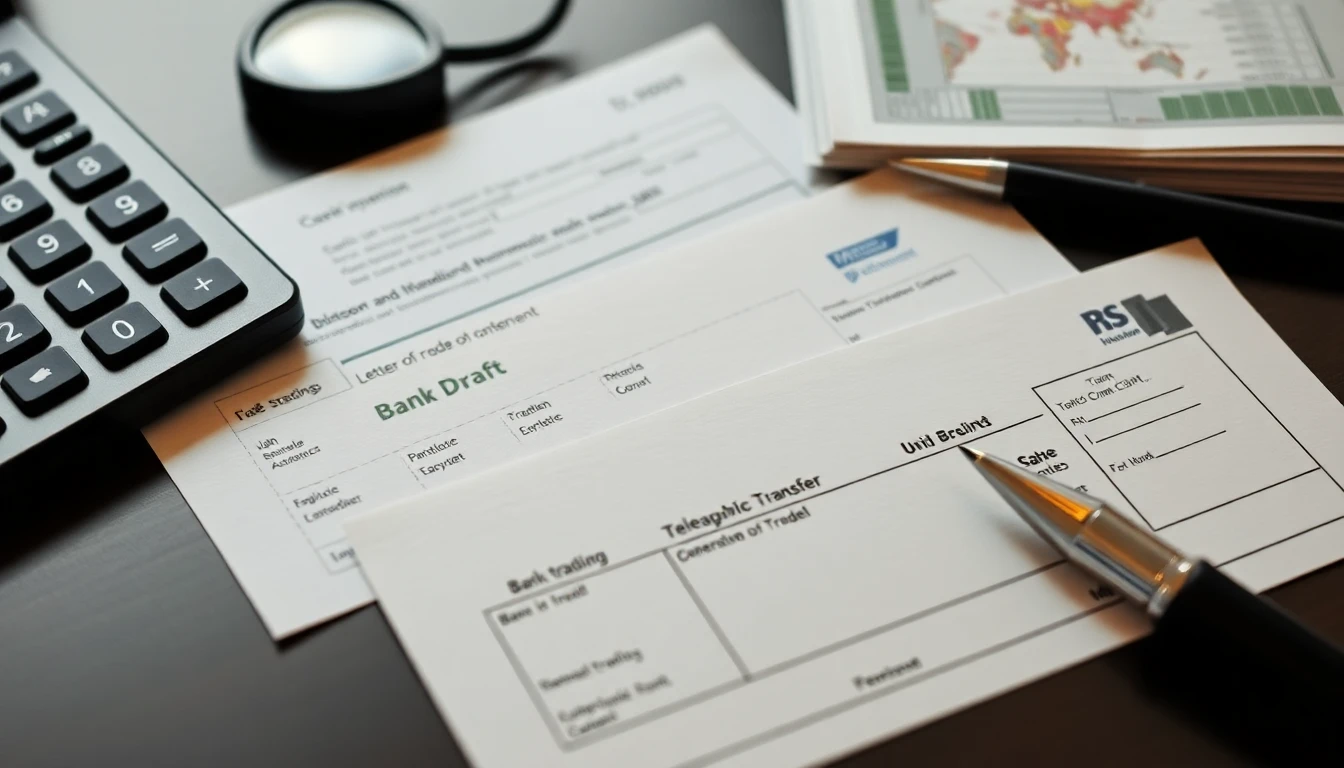
Discover five essential payment methods used in export-import trade, including their advantages and disadvantages.
In the realm of international trade, understanding payment methods is crucial for ensuring smooth transactions and minimizing risks. Exporters and importers must navigate various payment options, each with its own advantages and disadvantages. This article outlines five common payment methods used in export-import trade, providing insights into their mechanisms and suitability for different types of transactions.
Cash in Advance is one of the safest payment methods for exporters. In this arrangement, the importer pays the full amount before the goods are shipped. This method is particularly beneficial when dealing with new customers or high-risk markets. However, it may deter potential buyers who prefer to see the goods before making payment.
A Letter of Credit is a widely used payment method in international trade. It is a guarantee from a bank that the exporter will receive payment as long as the terms specified in the LC are met. This method provides security for both parties, as the importer’s bank ensures payment upon verification of shipping documents.
In an Open Account transaction, goods are shipped and delivered before payment is due. This method is favorable for importers as it allows them to receive goods and sell them before paying the exporter. However, it poses a higher risk for exporters, especially when dealing with unfamiliar customers.
Documentary Collections involve the use of banks to facilitate payment between the exporter and importer. The exporter ships the goods and submits shipping documents to their bank, which forwards them to the importer’s bank. The importer can only access the documents after making payment or accepting a draft.
Negotiating payment terms can be an effective way to find a mutually agreeable solution for both parties. This may include a combination of the methods mentioned above, such as partial payments or staggered payments based on delivery milestones. Flexibility in payment terms can enhance business relationships and facilitate smoother transactions.
Choosing the right payment method in export-import trade is essential for minimizing risks and ensuring successful transactions. Each method has its own set of advantages and disadvantages, and the choice often depends on the relationship between the exporter and importer, the nature of the goods, and the market conditions.
For companies looking to import goods into Indonesia, understanding these payment methods is crucial. Additionally, compliance with Indonesian regulations, including the relevant HS codes and duty rates, is necessary for a seamless import process. For example, importing laptops may involve specific duties and documentation requirements.
Kickrate provides Importer of Record (IOR) services to assist companies in navigating the complexities of importing to Indonesia, ensuring compliance with local regulations and facilitating smoother transactions.
