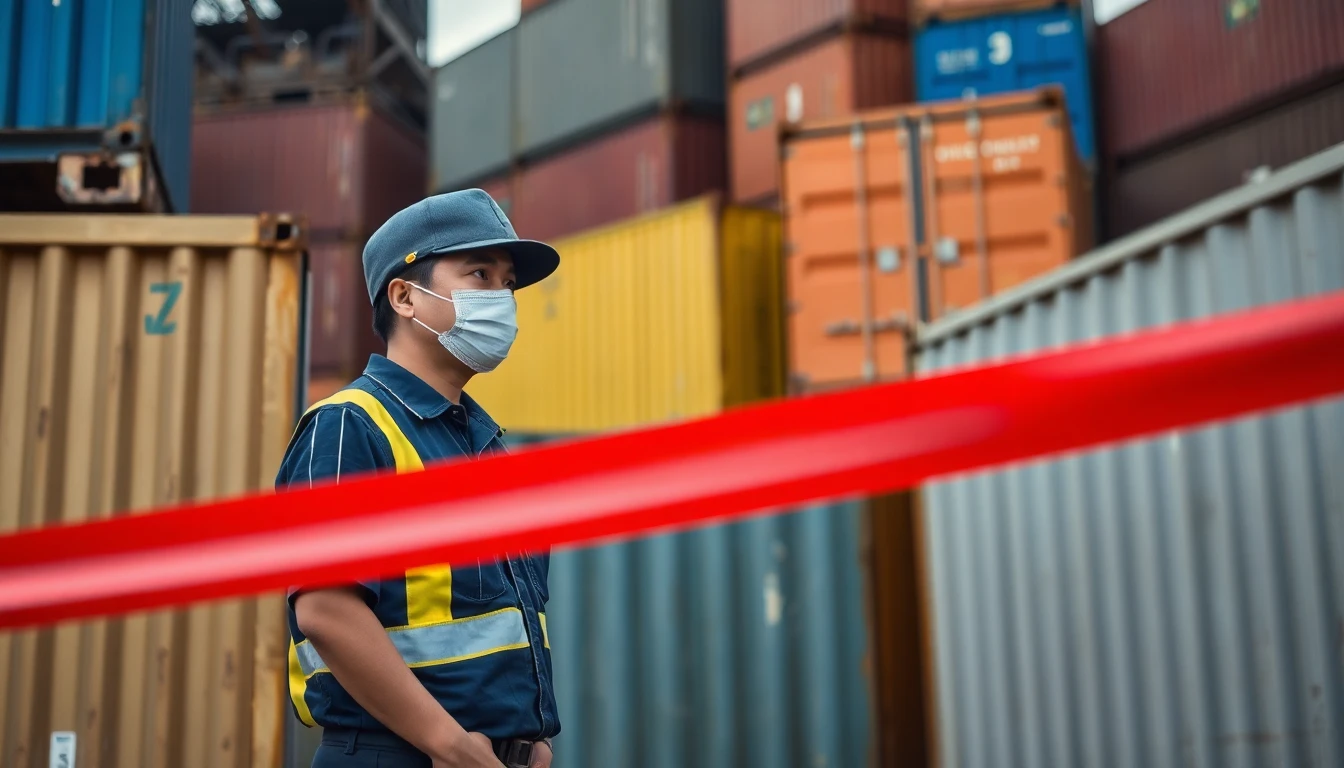
When your shipment tracking shows 'customs clearance completed' or 'import customs clearance completed', here's what happened, what comes next, and how long until your package arrives.
When your tracking status updates to "customs clearance completed" or "import customs clearance completed", it means the customs authority of the destination country has officially reviewed your shipment, verified the documentation, calculated and collected any duties or taxes owed, and authorized the release of your goods.
In plain terms: your package passed the legal checkpoint. It's no longer in customs custody and is now ready to move on to the next step — usually domestic delivery.
This guide covers what triggered that status, exactly what happens next, how long delivery typically takes, and what to do if your shipment gets stuck.
Before a shipment is marked as cleared, customs runs through a fixed sequence of checks. Each step has to pass before the next begins:
Customs reviews the documents the importer or freight forwarder submitted: the commercial invoice, packing list, Bill of Lading or Airway Bill, certificate of origin (if claiming a Free Trade Agreement rate), and any product-specific permits required for restricted goods.
The Harmonized System (HS) code declared on the import declaration determines the duty rate, applicable taxes, and whether special permits are needed. Customs verifies that the declared classification matches the actual product. Misclassification — even unintentional — is one of the top reasons shipments get held.
The declared CIF (Cost, Insurance, Freight) value is checked against reference databases. If customs believes the declared value is too low (a tactic to underpay duty), they can challenge it and require supporting documents like the original purchase order or supplier invoice.
Once classification and value are confirmed, customs calculates the import duty (based on the HS tariff), value-added tax, income tax (in some countries), excise duty (for controlled goods like alcohol or tobacco), and any anti-dumping or countervailing duties that apply.
The importer or their agent must pay all calculated duties and taxes before release. In Indonesia, this is paid through the e-billing system tied to the PIB (Pemberitahuan Impor Barang) declaration. Most modern customs systems require electronic payment with confirmation in real-time.
Not every shipment is inspected. Customs uses a risk-based system, often labeled with channel colors:
Indonesian customs (DJBC) typically inspects 10-15% of shipments via the red channel. If your goods went red and passed, your tracking shows clearance complete.
Once all checks pass, customs issues the release document. In Indonesia this is the SPPB (Surat Persetujuan Pengeluaran Barang) — literally "letter of permission to release goods." This is the trigger that updates your tracking to "customs clearance completed."
The status change means customs is done — but it doesn't mean the package is at your door. Several things still need to happen:
The freight forwarder or importer's agent collects the goods from the port terminal, airport cargo facility, or bonded warehouse. For sea freight in Indonesia, this is typically Tanjung Priok (Jakarta), Tanjung Perak (Surabaya), or Belawan (Medan). For air freight, it's usually Soekarno-Hatta or Halim airport.
The shipment is transferred to a domestic courier or trucking service for delivery to the final address. For courier shipments (DHL, FedEx, UPS), this happens automatically — once customs clears, the package is back in their hands and gets routed to the local delivery hub.
The courier or trucking company attempts delivery. For B2B shipments, this usually requires receiver confirmation; for B2C, the courier may leave it at the door or attempt redelivery.
This is the most common follow-up question. Timing depends on the destination, the courier, and any congestion at the port:
| Destination | Typical Delivery Time |
|---|---|
| Same city as port (e.g. Jakarta from Tanjung Priok) | Same day to 1 business day |
| Other city in Java | 1–3 business days |
| Outer islands (Bali, Sumatra, Sulawesi) | 3–7 business days |
| Remote areas (Papua, eastern Indonesia) | 7–14 business days |
Express courier delivery (DHL, FedEx, UPS) is usually faster than sea freight follow-on transport, since the package goes back into the courier's existing express network.
If 5+ business days have passed since "customs clearance completed" with no further update, contact the courier or freight forwarder — the goods may be sitting at a transit hub or awaiting your action.
Tracking systems use slightly different wording, but the key statuses follow a predictable order:
| Status | Meaning |
|---|---|
| Import customs clearance started | Your declaration has been filed; customs is now reviewing |
| Customs clearance in progress | Documents and goods are being examined |
| Awaiting customs clearance | Shipment is at customs but processing hasn't begun (queue) |
| Customs clearance completed | Cleared — goods can now be released |
| Released from customs | Goods physically picked up from the customs facility |
| In transit to destination | On the way to the final delivery address |
| Out for delivery | At the local depot, scheduled for delivery today |
| Delivered | Signed for / left at door |
Some carriers compress these into fewer statuses. Reddit threads and FedEx's tracking system, for example, sometimes show "cleared by customs" instead of "customs clearance completed" — they mean the same thing.
A common frustration: tracking shows "completed" but nothing happens for days. There are a few reasons this can happen:
Some customs systems update the status the moment the SPPB or release letter is issued, even before the freight forwarder physically picks up the goods. There can be a 1-2 day gap before the goods leave the port.
If many shipments cleared at the same time (common after a weekend or public holiday), there may be a queue for trucks to collect goods from the port.
If the consignee hasn't paid port storage or demurrage charges, the shipping line or terminal may hold the container even after customs clears it. This is especially common for sea freight where containers sit at the port awaiting pickup.
For courier shipments, the package needs to be loaded onto the next outbound flight or truck. If that happens overnight or only on certain days, delivery can lag the tracking update.
If your shipment never reaches the "completed" status — meaning it's been sitting in customs for more than 3-5 days — there's usually one of these reasons:
In Indonesia specifically, the most common cause of stuck shipments is the consignee problem — the company named on the Bill of Lading doesn't hold a valid Angka Pengenal Impor (API) import license. Without one, customs cannot legally release the goods to that party. This catches many foreign companies trying to import to Indonesia for the first time.
If your goods are stuck for compliance reasons in Indonesia, you need a licensed Importer of Record to step in as consignee on your behalf. We've rescued shipments stuck due to all five of the above causes — contact us for emergency assistance and we can typically resolve clearance within 2-3 business days.
The cleanest way to skip the customs uncertainty is to handle the import properly from the start:
It means customs has finished reviewing your shipment — documents verified, duty paid, any inspection passed — and authorized release. The goods are no longer in customs custody.
Typically 1–3 business days for nearby cities, 3–7 days for outer islands, and up to 14 days for remote regions in Indonesia. Express couriers are usually faster.
The status updates when customs issues the release letter — not when the package physically leaves the facility. There's usually a 1–2 day gap for the freight forwarder to pick up the goods and re-enter the courier or trucking network.
Nothing — they mean the same thing. Different carriers use different wording.
Rarely, but yes. If new information emerges (e.g. an audit flags the declared value as too low), customs can request a re-examination. This is uncommon for low-risk shipments.
This means clearance hasn't completed yet. Common causes are missing documents, classification disputes, or the importer hasn't paid the duty. Contact the freight forwarder to find out what's blocking it.
Usually no. The carrier handles the next steps automatically. The only exception is if you're doing the customs clearance yourself (acting as importer of record) — then you need to coordinate physical pickup.
Kickrate is a licensed Importer of Record (API-U) in Indonesia. We handle the entire customs clearance process — HS classification, PIB filing, duty payment, Lartas permits, and final delivery. Get a free landed cost estimate or search HS codes to see duty rates for your product.
