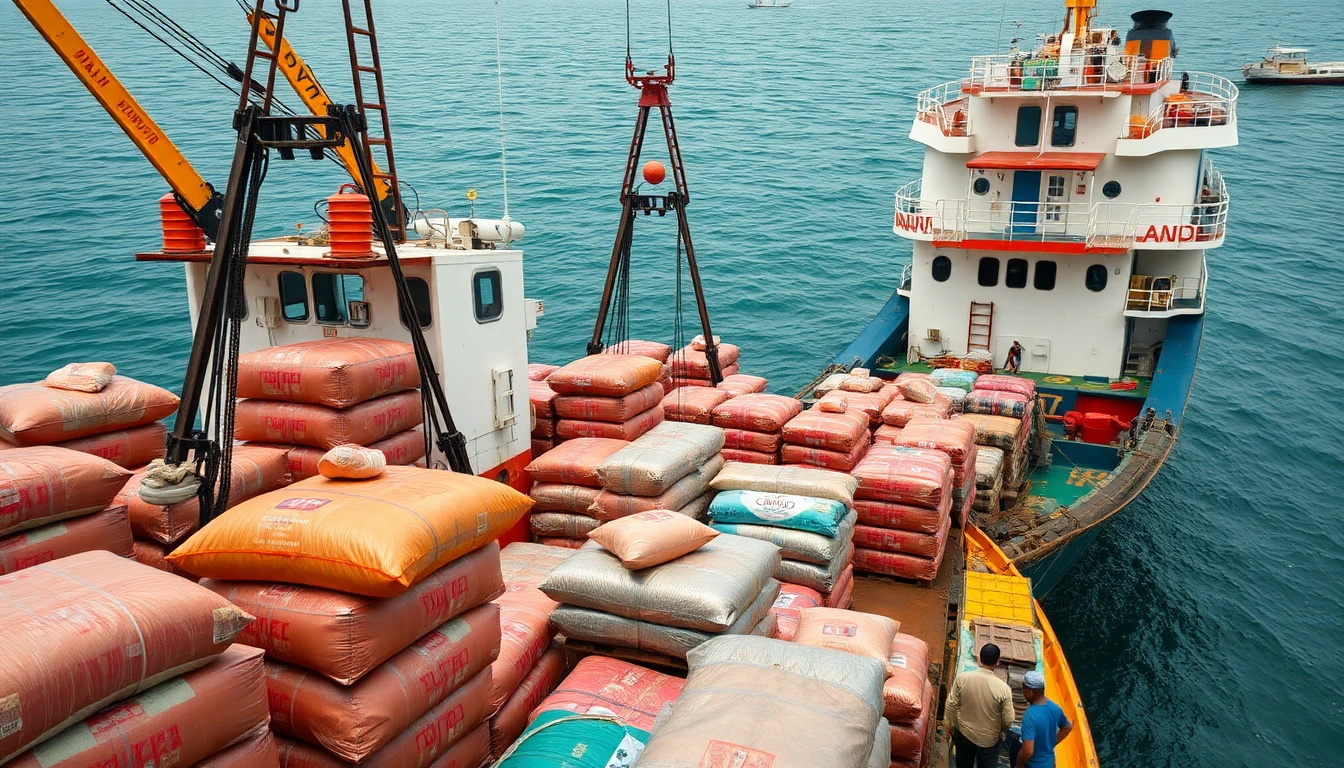
The Exporter of Record handles export compliance at origin. The Importer of Record handles import compliance at destination. Here's how they work together.
International trade compliance has two sides: export compliance at origin and import compliance at destination. The Exporter of Record (EOR) handles the first; the Importer of Record (IOR) handles the second.
The EOR is the entity named on the export declaration as the shipper. They're responsible for:
The IOR is the entity named on the import declaration as the legal importer. They handle:
| Aspect | Exporter of Record | Importer of Record |
|---|---|---|
| Side | Export / Origin | Import / Destination |
| Declaration | Export declaration | Import declaration (PIB) |
| Compliance | Export controls, sanctions | Duties, permits, regulations |
| License | Export license | Import license (API) |
| Named on | Export docs, commercial invoice | B/L (consignee), customs declaration |
Yes — every international shipment has both an EOR and an IOR:
Sometimes the same company acts as both (if they have entities in both countries). More commonly, different entities handle each side.
When importing to Indonesia, you always need a local IOR with an API license. The EOR at origin is typically your supplier or their freight forwarder.
Kickrate acts as your IOR in Indonesia. Get started or search HS codes.
