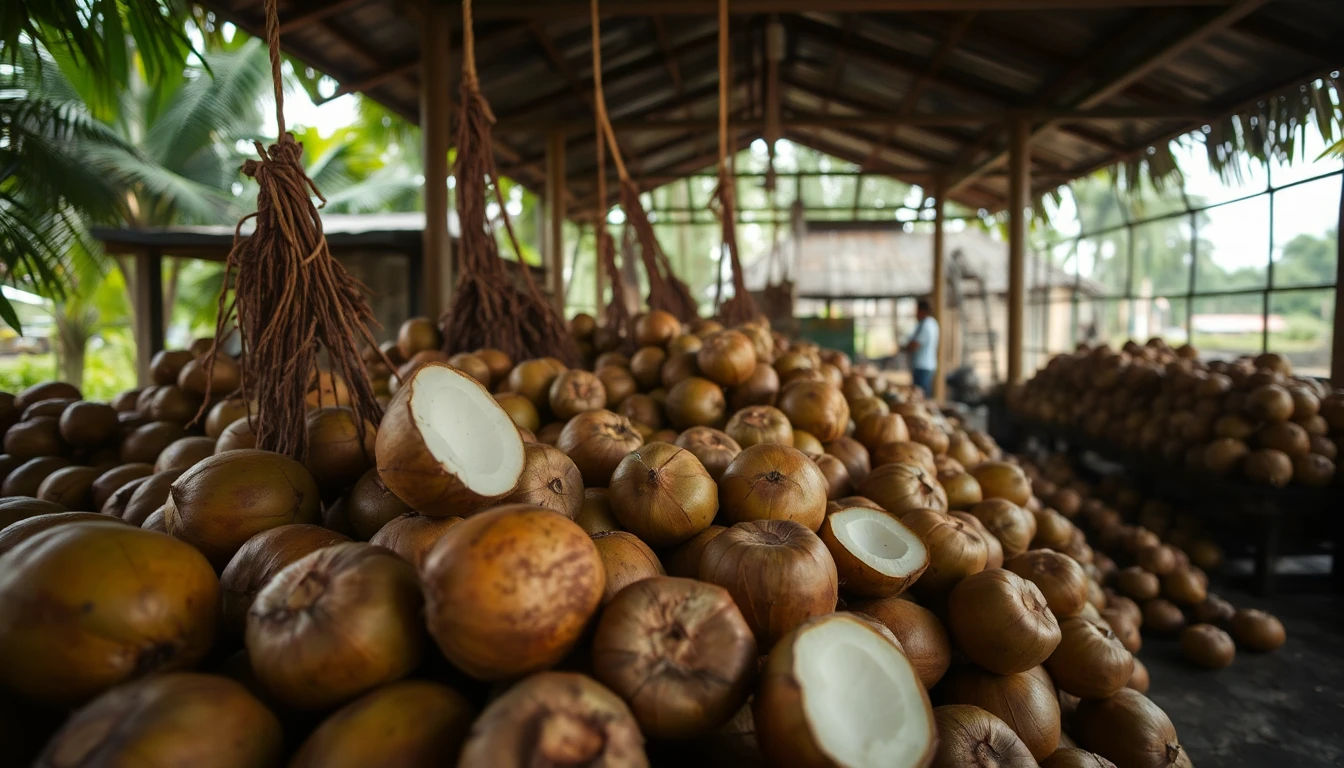
This article outlines the steps and regulations for importing coconuts from Indonesia, including HS codes and logistics considerations.
Indonesia is one of the largest producers of coconuts in the world, making it a significant player in the global coconut market. The country is known for its high-quality coconuts, which are used for various products including coconut oil, coconut water, and desiccated coconut. For businesses looking to import coconuts from Indonesia, understanding the regulations, tariffs, and processes involved is crucial.
Coconuts are grown in various regions across Indonesia, with the main production areas being Sulawesi, Sumatra, and Bali. The country produces both fresh coconuts and processed coconut products. The demand for Indonesian coconuts is driven by both local consumption and export markets, particularly in Asia, Europe, and North America.
When importing coconuts into your country, it is important to classify them correctly using the Harmonized System (HS) codes. For coconuts, the relevant HS codes include:
Before importing coconuts, it is essential to understand the applicable import tariffs and duties. In Indonesia, the import duty rates for coconuts can vary based on the product type. For instance, fresh coconuts may have a different duty rate compared to dried coconuts or coconut oil. It is advisable to check the latest tariff rates from the Indonesian Customs website or consult with a local customs broker.
Importers must obtain the necessary licenses to import coconuts into their respective countries. This may include an Importer of Record (IOR) license, which allows a company to legally import goods into the country. In Indonesia, the Ministry of Trade regulates the importation of agricultural products, including coconuts. Ensure that you comply with all local regulations and obtain the required permits.
To ensure that the coconuts are free from pests and diseases, importers may need to obtain a phytosanitary certificate from the Indonesian Ministry of Agriculture. This certificate verifies that the coconuts meet the health standards of the importing country. It is crucial to work with a reliable supplier who can provide the necessary documentation.
Finding a reliable supplier in Indonesia is key to a successful import operation. Consider the following steps:
When importing coconuts, consider the most efficient transportation methods. Sea freight is commonly used for bulk shipments, while air freight may be suitable for smaller quantities or time-sensitive orders. Ensure that the logistics provider is experienced in handling agricultural products to maintain quality during transit.
Once the coconuts arrive at the destination port, they must go through customs clearance. This process involves submitting the required documentation, including the bill of lading, commercial invoice, and phytosanitary certificate. Working with a customs broker can help streamline this process and ensure compliance with all regulations.
Importing coconuts from Indonesia can be a lucrative venture for businesses looking to expand their product offerings. By understanding the regulations, tariffs, and logistics involved, importers can navigate the complexities of international trade more effectively. For companies looking to simplify their import processes, utilizing an Importer of Record (IOR) service can provide valuable support in managing compliance and documentation requirements. At Kickrate, we offer IOR services to assist businesses importing to Indonesia.
