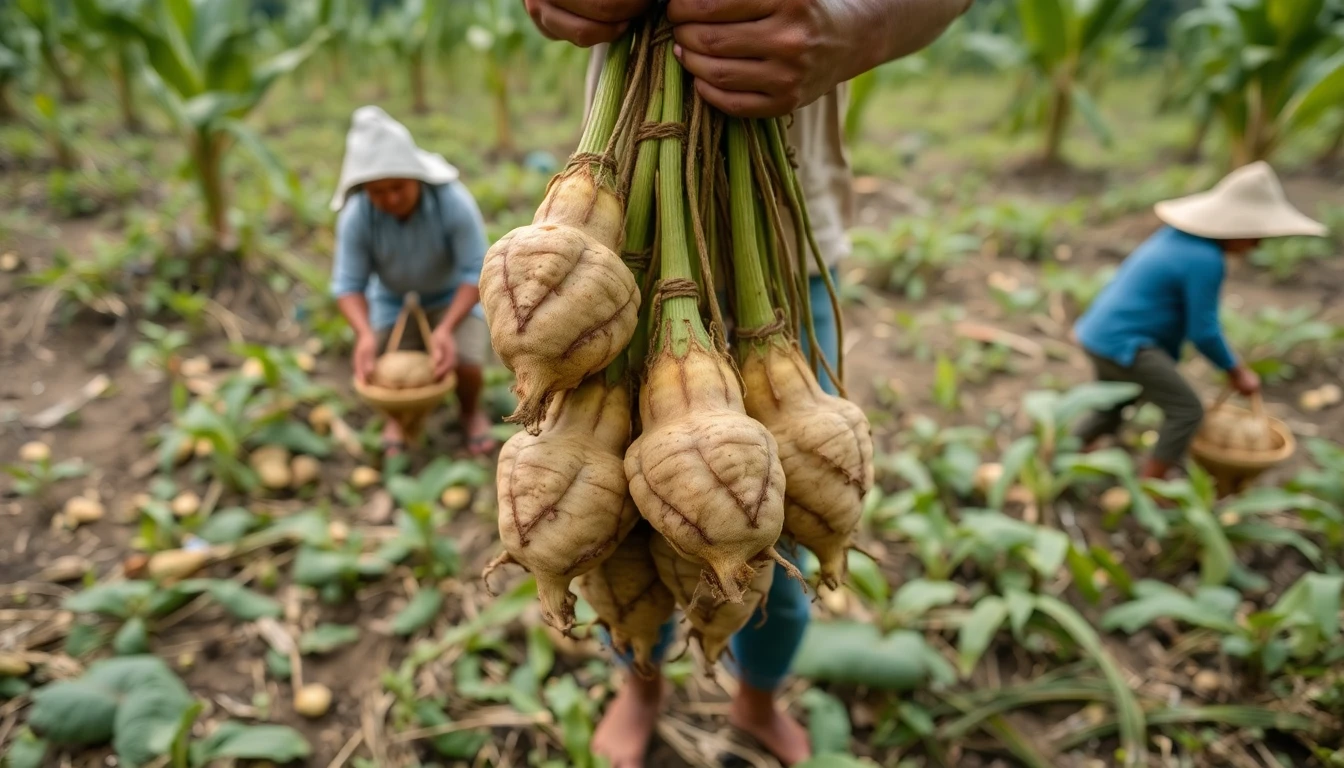
Discover the steps to import Konjac (Porang) from Indonesia, including HS codes, regulations, and logistics considerations.
Konjac, also known as Porang, is a plant native to Southeast Asia, particularly Indonesia. The root of the Konjac plant is highly valued for its glucomannan content, a soluble dietary fiber that is used in various food products, health supplements, and even cosmetics. Given its rising popularity in global markets, understanding how to import Konjac from Indonesia can be beneficial for businesses looking to expand their product offerings.
Importing Konjac from Indonesia involves several steps, including compliance with regulations, understanding tariff codes, and navigating logistics. Here’s a breakdown of the process:
The Harmonized System (HS) code for Konjac is crucial for determining the applicable tariffs and regulations. The HS code for Konjac products is 12119010 for dried Konjac root. This classification helps in identifying the product during customs clearance and ensures compliance with Indonesian trade regulations.
Before importing Konjac, it is essential to be aware of the regulations set by the Indonesian government. The Ministry of Agriculture and the National Agency of Drug and Food Control (BPOM) oversee the importation of agricultural products, including Konjac. Importers must ensure that their products meet the safety and quality standards established by these agencies.
To import Konjac, you will need to secure several permits:
Import duties for Konjac can vary based on the product's classification and the country of origin. Generally, the import duty for dried Konjac root is around 5% under HS code 12119010. However, it's essential to check for any applicable trade agreements that might reduce or eliminate these duties.
Once you have secured the necessary permits and confirmed the duty rates, the next step is logistics. Choosing a reliable freight forwarder is crucial for ensuring that your shipment is handled efficiently. Here are some key considerations:
Before shipping, it is advisable to conduct quality control tests on the Konjac products. This includes checking for moisture content, purity of glucomannan, and ensuring that the product adheres to the specifications outlined in your purchase agreement.
Importing Konjac (Porang) from Indonesia can be a lucrative venture for businesses looking to tap into the health food market. By understanding the import process, including HS codes, regulations, and logistics, importers can navigate the complexities of international trade more effectively. For companies looking to streamline their import activities in Indonesia, utilizing an Importer of Record (IOR) service can simplify compliance and ensure a smoother process. Kickrate offers IOR services tailored for businesses importing to Indonesia, helping to navigate the regulatory landscape efficiently.
