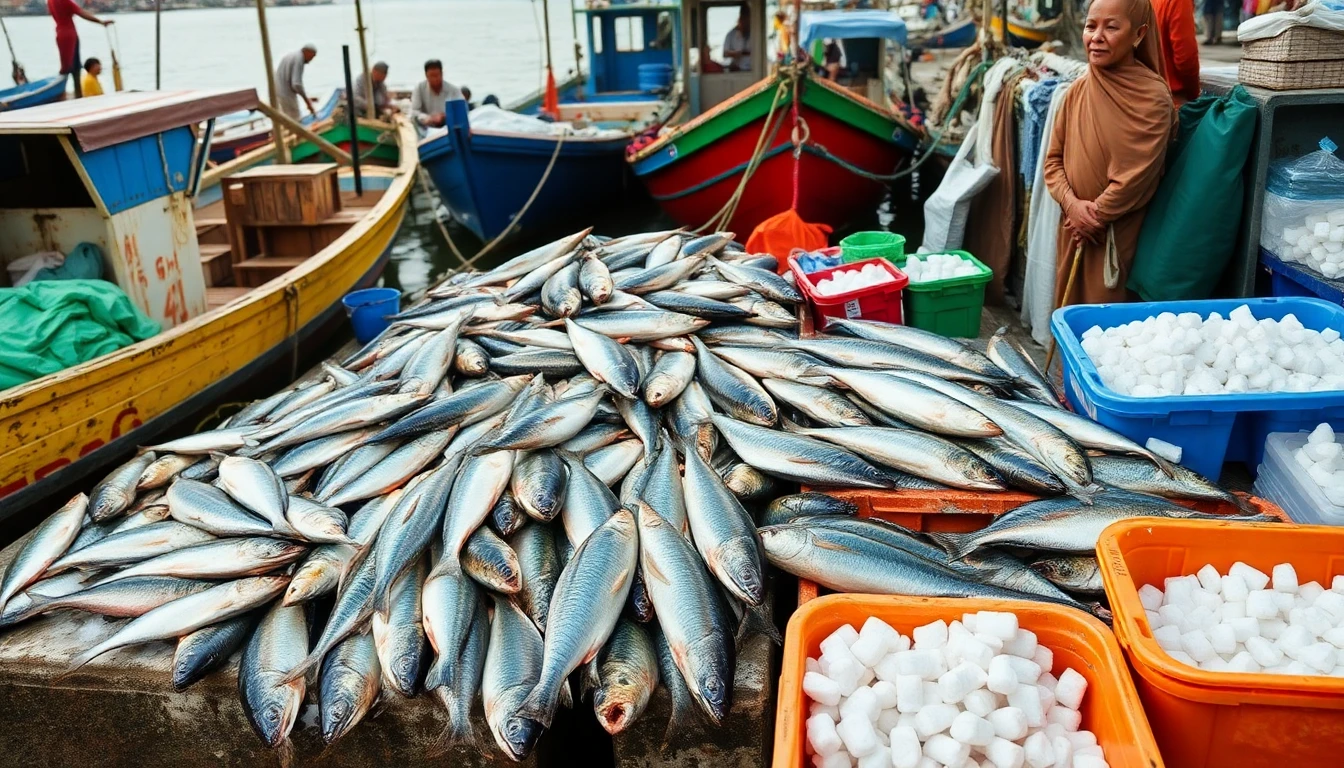
This article outlines the steps and regulations for exporting sea fish from Indonesia, including licensing, quality standards, and customs processes.
Indonesia is renowned for its rich marine biodiversity, making it one of the largest exporters of sea fish in the world. With a coastline of over 54,000 kilometers and an extensive archipelago, the country is home to a variety of fish species that are highly sought after in international markets. This article outlines the essential steps and regulations involved in exporting sea fish from Indonesia.
Before embarking on the export journey, it is crucial to understand the market demand for specific types of sea fish. Popular species include tuna, snapper, and shrimp, which are often categorized under specific HS codes:
Market research can help identify potential buyers and the best pricing strategies.
Exporters must obtain the necessary licenses and permits to legally export sea fish. The primary regulatory body overseeing fish exports in Indonesia is the Ministry of Marine Affairs and Fisheries (MMAF). Exporters are required to secure an Export License (Surat Izin Usaha Perdagangan - SIUP) and a Fish Exporter Registration (Pendaftaran Eksportir Ikan - PEI).
Fish exports must comply with international quality standards, including health and safety regulations. The Indonesian National Standard (SNI) sets forth guidelines for fish quality, including hygiene and preservation methods. Additionally, exporters may need to provide a health certificate issued by the local fisheries office to confirm that the fish are free from diseases and contaminants.
The first step in the export process is sourcing high-quality fish. This can be done through local fishermen or fish farms. It is essential to ensure that the fish are harvested sustainably to meet both local and international regulations.
Once the fish are sourced, they must be processed and packaged according to international standards. This includes cleaning, freezing, or canning the fish, depending on the type of product being exported. Proper packaging is crucial to maintain the quality and freshness of the fish during transport.
Exporters must prepare several documents for customs clearance, including:
These documents are essential for smooth customs clearance and to avoid delays at the port.
After preparing the necessary documentation, the next step is to submit these documents to the customs authority for clearance. The Indonesian Customs and Excise (Direktorat Jenderal Bea dan Cukai) will assess the documentation and may conduct inspections to ensure compliance with regulations.
Once cleared, the fish can be shipped to the destination country. Exporters must choose a reliable shipping method, considering factors such as cost, transit time, and the perishability of the product. Sea freight is commonly used for fish exports due to its cost-effectiveness.
Exporting fish from Indonesia generally does not incur export duties. However, it is essential to be aware of the import tariffs that may be applicable in the destination country. For instance, countries may have specific tariffs for different types of fish, which can affect pricing strategies.
Exporting sea fish from Indonesia involves a comprehensive understanding of market demands, regulatory requirements, and logistical processes. By adhering to the necessary regulations and ensuring high-quality products, exporters can successfully tap into the lucrative global fish market. For companies looking to navigate the complexities of importing to Indonesia, Kickrate offers Importer of Record (IOR) services to facilitate compliance and streamline the process.
