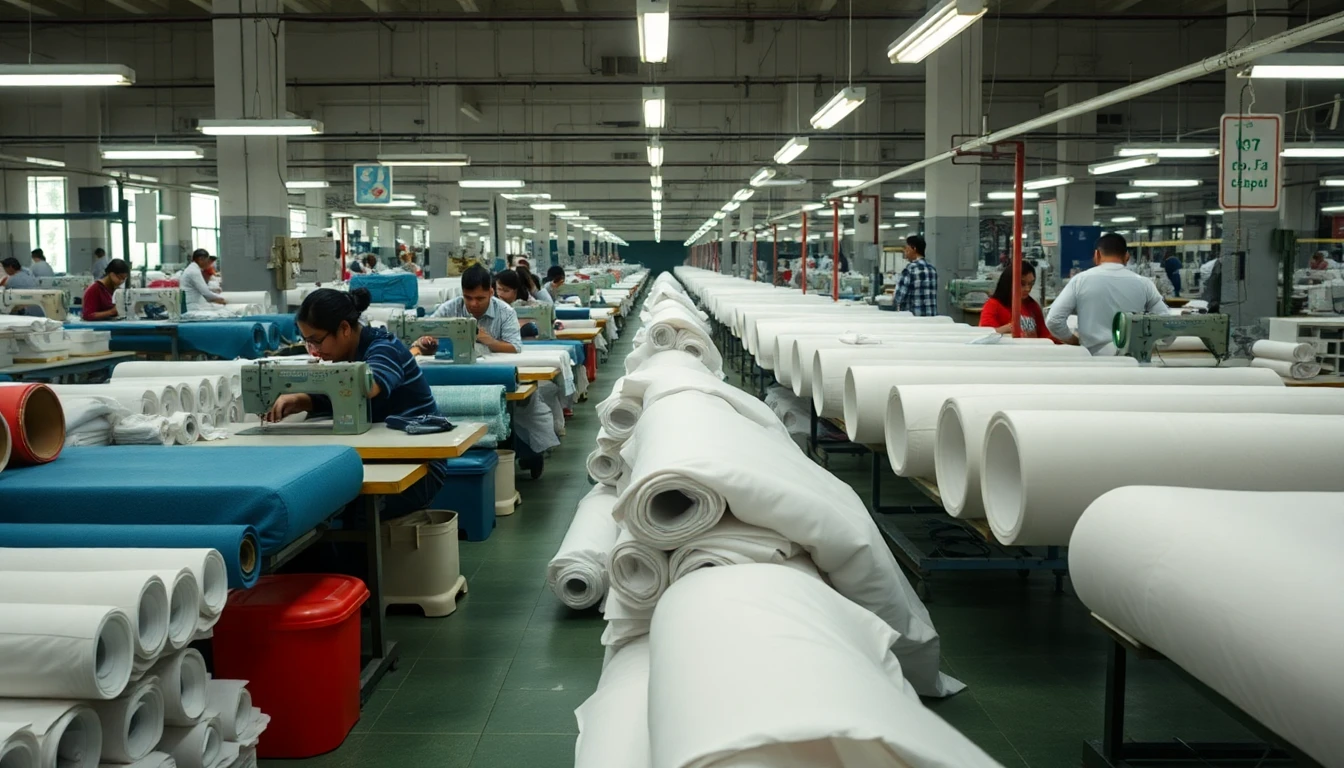
This article outlines the regulations, HS codes, and processes for importing cotton garments to Indonesia, ensuring compliance for logistics professionals.
Importing cotton garments into Indonesia involves navigating a complex landscape of regulations, tariffs, and procedures. Understanding these elements is crucial for logistics professionals and importers to ensure compliance and efficiency in their operations.
Cotton garments fall under specific Harmonized System (HS) codes that categorize them for tariff purposes. The primary HS code for cotton garments is 6201, which includes shirts and blouses made of cotton. Other relevant codes include:
Each of these codes has specific duty rates and regulations that importers must adhere to. It is essential to classify your products correctly to avoid penalties and ensure smooth customs clearance.
Indonesia's import regulations are governed by various laws and decrees, including:
Importers must obtain an Importer Identification Number (API) and register with the Directorate General of Customs and Excise. Additionally, garments must comply with the Indonesian National Standard (SNI) to ensure quality and safety. This includes labeling requirements, which must be in Bahasa Indonesia and include information such as:
The import duty rates for cotton garments vary depending on the specific HS code. For example:
In addition to import duties, Value Added Tax (VAT) of 10% is applicable on most imported goods, including garments. Importers should also be aware of any potential additional taxes or levies that may apply, such as luxury goods tax (LGT) for certain high-end clothing items.
The customs clearance process for importing cotton garments into Indonesia involves several steps:
- Commercial Invoice
- Packing List
- Bill of Lading
- Certificate of Origin (if applicable)
- Import License (API)
- SNI Certificate (if applicable)
Importing cotton garments to Indonesia requires a thorough understanding of the relevant regulations, HS codes, and tariff rates. By adhering to the necessary procedures and ensuring compliance with local laws, importers can facilitate a smooth import process. For companies looking to navigate these complexities, utilizing an Importer of Record (IOR) service can provide valuable assistance in ensuring compliance and efficiency in the import process. Kickrate offers IOR services tailored for businesses importing to Indonesia, helping to streamline operations and mitigate risks.
