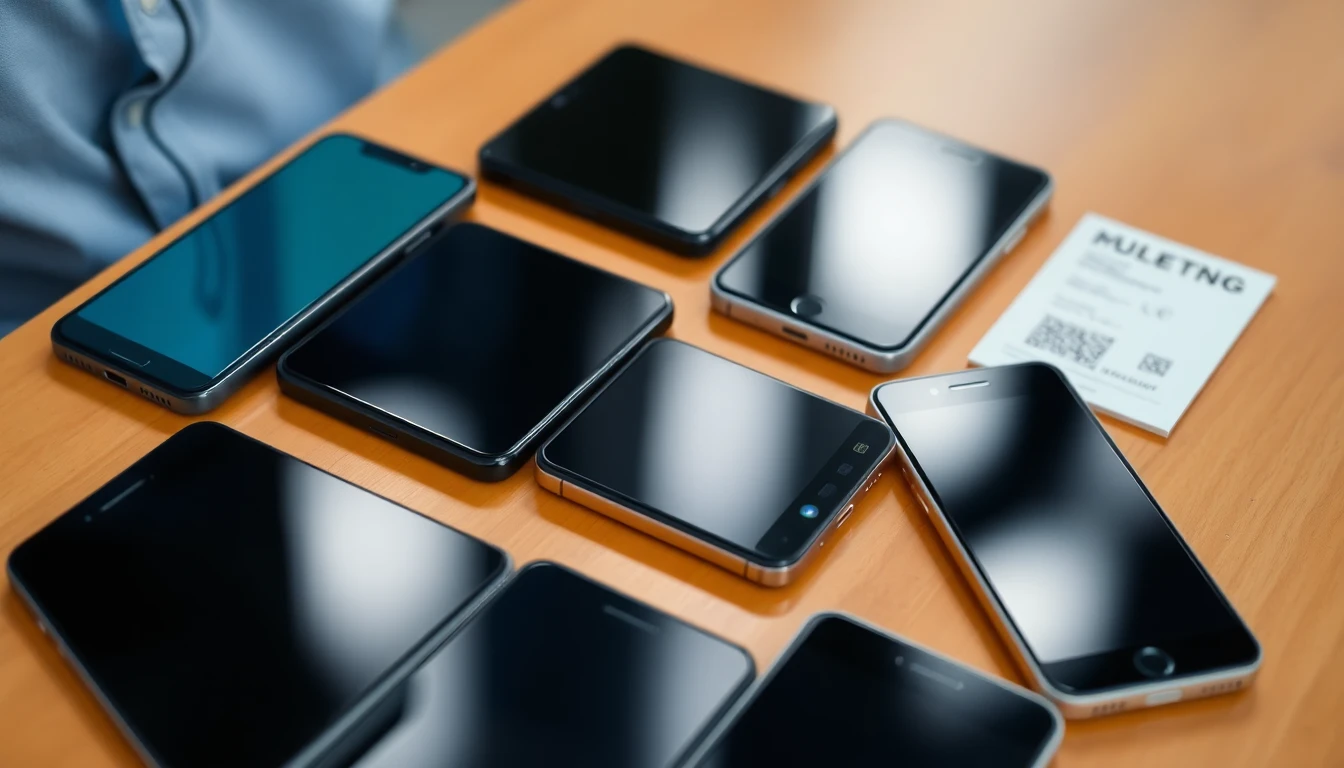
This article outlines the regulations, tariffs, and processes for importing mobile phones into Indonesia, including necessary documentation and compliance.
Importing mobile phones into Indonesia involves navigating a complex landscape of regulations, tariffs, and documentation. Understanding these elements is crucial for logistics professionals and importers to ensure compliance and a smooth import process.
The Harmonized System (HS) code for mobile phones is 85171200. This code is essential for classifying the goods during the import process and determining applicable tariffs and regulations.
Before importing mobile phones into Indonesia, importers must obtain an Importer Identification Number (API). This number is necessary for all import activities and is issued by the Indonesian Ministry of Trade. Additionally, mobile phones must comply with the regulations set forth by the Indonesian Telecommunications Regulatory Authority (BRTI), which includes obtaining a certification of compliance (SNI).
As of the latest updates, the import duty rate for mobile phones classified under HS code 85171200 is typically set at 0%. However, importers should also consider the Value Added Tax (VAT), which is generally 10% of the customs value. Importers should keep abreast of any changes in tariffs, as these can fluctuate based on government policies.
To successfully import mobile phones into Indonesia, several key documents are required:
Once the mobile phones arrive in Indonesia, they must go through customs clearance. The following steps outline the customs process:
In addition to customs regulations, importers must ensure compliance with local laws regarding the sale and distribution of mobile phones. This includes adhering to consumer protection laws and ensuring that devices are compatible with local telecommunications networks.
Importing mobile phones into Indonesia requires a thorough understanding of the relevant regulations, tariffs, and documentation processes. By adhering to these guidelines, logistics professionals and importers can facilitate a smoother import process.
For companies looking to import mobile phones or other goods into Indonesia, understanding these requirements is crucial. Kickrate provides Importer of Record (IOR) services to assist businesses in navigating the complexities of Indonesian import regulations.
