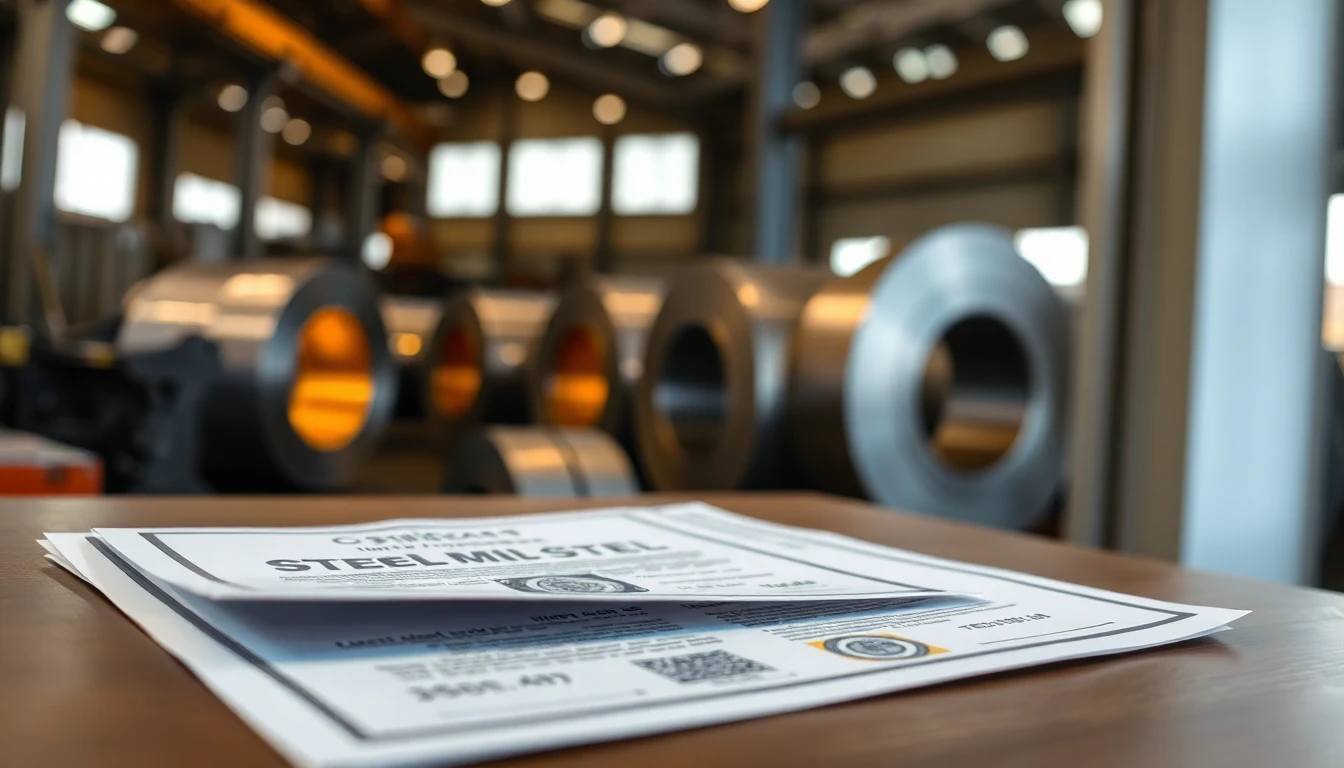
How to Make Mill Certificate for Steel and Iron (PI Besi)
Import Guide

How to Make Mill Certificate for Steel and Iron (PI Besi)

This article outlines the process of obtaining a Mill Certificate for steel and iron imports in Indonesia, including regulations and HS codes.

Kickrate Team·

Introduction


In the importation of steel and iron products in Indonesia, a Mill Certificate (MC) is a crucial document that certifies the quality and specifications of the materials. This certificate is essential for compliance with Indonesian regulations and for ensuring that the imported goods meet the required standards. This article outlines the process of obtaining a Mill Certificate for steel and iron (known as PI Besi) and highlights relevant regulations and HS codes.


Understanding Mill Certificates


A Mill Certificate is a document issued by the manufacturer of steel and iron products that provides information about the chemical and physical properties of the materials. It typically includes:

  • Chemical composition
  • Mechanical properties
  • Heat treatment details
  • Manufacturing process

  • In Indonesia, the Mill Certificate is often required for customs clearance and to ensure compliance with the national standards set by the Indonesian National Standard (SNI).


    Relevant Regulations


    The importation of steel and iron products in Indonesia is governed by various regulations, including:

  • Minister of Trade Regulation No. 22/2021: This regulation outlines the requirements for the importation of iron and steel products, including the necessity of a Mill Certificate.
  • SNI 2052:2014: This standard specifies the requirements for the quality of steel products, which must be met to ensure safety and reliability.

  • Steps to Obtain a Mill Certificate


    1. Identify the Manufacturer: Ensure that the steel or iron products are sourced from a reputable manufacturer that is capable of providing a Mill Certificate. The manufacturer must be compliant with international standards and have the necessary certifications.


    2. Request the Certificate: Once you have identified the manufacturer, request the Mill Certificate. This request should include details about the specific products being imported, including their HS codes. For example, the HS code for flat-rolled products of iron or non-alloy steel is 7208.


    3. Verify Compliance: Ensure that the Mill Certificate provided by the manufacturer complies with the requirements set forth by Indonesian regulations. This includes checking the chemical composition and mechanical properties against the standards specified in SNI 2052:2014.


    4. Documentation for Customs: When importing steel and iron products, the Mill Certificate must be included in the documentation submitted to customs. This is essential for the clearance process and to avoid delays.


    5. Keep Records: Maintain copies of the Mill Certificate and all related documentation for your records. This is important for future reference and for any potential audits by customs authorities.


    Importance of Accurate HS Codes


    Using the correct HS codes is vital for the smooth importation of steel and iron products. Each product type has a specific HS code that determines the applicable import duties and regulations. For example:

  • Flat-rolled products of iron or non-alloy steel: HS Code 7208
  • Bars and rods of iron or non-alloy steel: HS Code 7214

  • Using the appropriate HS codes ensures that importers are aware of the specific duty rates and regulations applicable to their products, which can vary significantly.


    Conclusion


    Obtaining a Mill Certificate for steel and iron products is a critical step in the import process in Indonesia. By understanding the regulations, following the steps outlined, and ensuring compliance with national standards, importers can facilitate a smoother customs clearance process. For companies looking to navigate the complexities of importing to Indonesia, Kickrate provides Importer of Record (IOR) services to assist with compliance and documentation requirements.


    ---