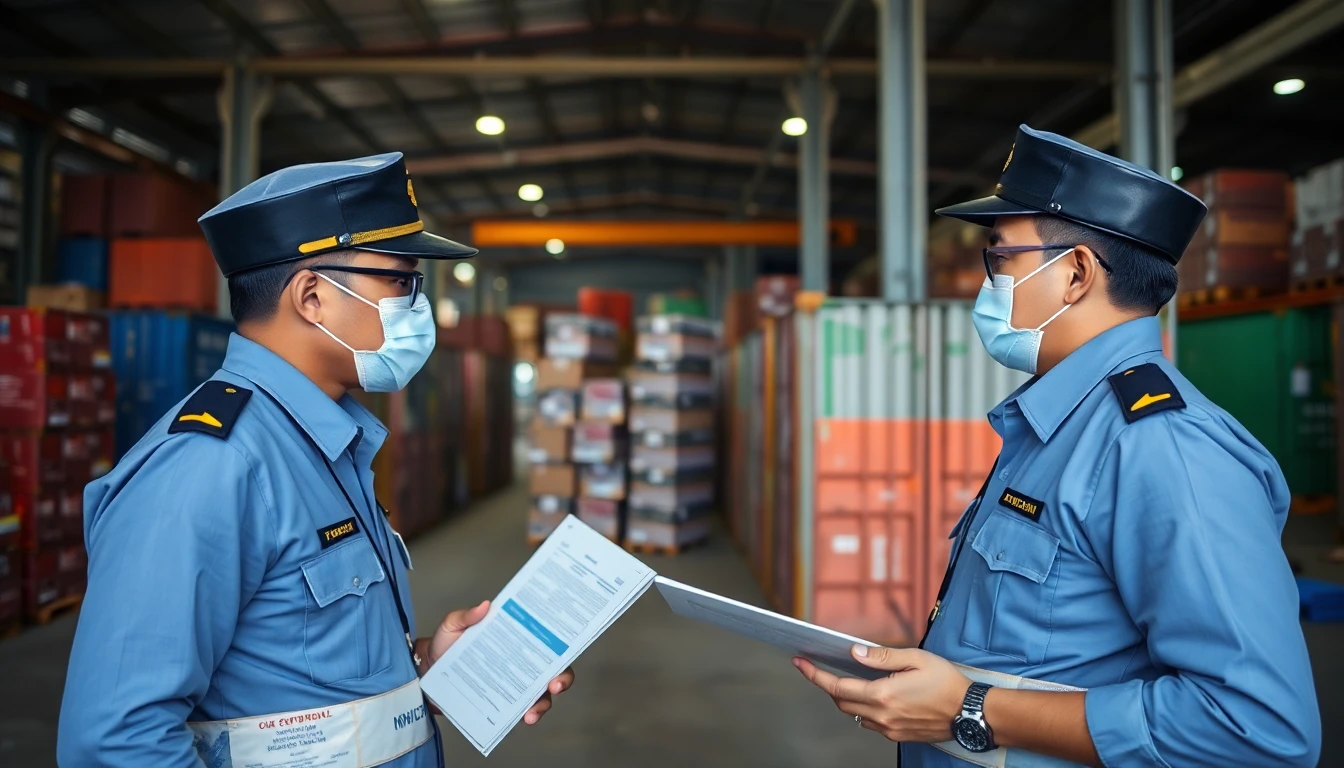
How to Prevent Goods Detained and Stuck by Customs in Indonesia
Discover essential steps to prevent customs detention in Indonesia, including documentation, HS codes, and regulatory compliance.
Kickrate Team·
Introduction
Importing goods into Indonesia can be a complex process, and one of the most significant challenges faced by importers is the risk of having their goods detained by customs. Understanding the regulations and procedures involved in customs clearance is crucial for logistics professionals and importers to ensure a smooth import process.
Understanding Customs Regulations
Indonesia's customs regulations are governed by the Directorate General of Customs and Excise (DJBC). The primary legislation includes Law No. 17 of 2006 on Customs and Government Regulation No. 18 of 2021 on Import Duties. Importers must be aware of the Harmonized System (HS) codes that classify their goods, as these codes determine the applicable duties and regulations.
For instance, the HS code for laptops is 8471.30.20, which carries specific duty rates and import regulations. Importers should ensure they are using the correct HS codes to avoid misclassification, which can lead to delays and potential fines.
Common Reasons for Customs Detention
Incomplete Documentation: One of the most common reasons for customs detention is the lack of necessary documentation. Importers must provide complete and accurate documents, including:
- Bill of Lading
- Commercial Invoice
- Packing List
- Import License (if applicable)
- Certificate of Origin (for certain products)
Incorrect HS Code: Misclassification of goods can result in customs detaining shipments. Importers should verify the correct HS code for their products. For example, importing cocoa beans under the wrong code can lead to higher duties or additional inspections.
Non-compliance with Import Regulations: Certain goods are subject to specific import regulations, such as health and safety standards. For example, food products must comply with the National Agency of Drug and Food Control (BPOM) regulations. Non-compliance can lead to goods being held until the necessary approvals are obtained.
Unpaid Duties and Taxes: Importers must ensure that all applicable duties and taxes are paid before customs clearance. Failure to do so can result in goods being detained until payment is made. The import duty rates can vary significantly depending on the product category, so it is essential to check the latest rates.
Steps to Prevent Customs Detention
Ensure Accurate Documentation: Double-check all documents for accuracy and completeness. Engage with a customs broker if necessary to ensure that all paperwork is in order.
Verify HS Codes: Use the correct HS codes for your products. Familiarize yourself with the classification system and consult resources or experts if needed.
Understand Regulatory Requirements: Research the specific regulations that apply to your goods. This includes understanding any additional permits or certifications required for import.
Prepay Duties and Taxes: Calculate and pay all applicable duties and taxes in advance to avoid delays during the customs clearance process.
Work with Experienced Partners: Collaborate with logistics providers and customs brokers who have experience in Indonesian customs regulations. Their expertise can help navigate the complexities of the import process.
Conclusion
Preventing customs detention in Indonesia requires diligence and a thorough understanding of the regulations and processes involved. By ensuring accurate documentation, verifying HS codes, understanding regulatory requirements, and prepaying duties and taxes, importers can significantly reduce the risk of their goods being detained.
For companies looking to import to Indonesia, utilizing an Importer of Record (IOR) service can further streamline the process and ensure compliance with local regulations. Kickrate offers IOR services to assist businesses in navigating the complexities of Indonesian customs.
How to Prevent Goods Detained and Stuck by Customs in Indonesia | Kickrate