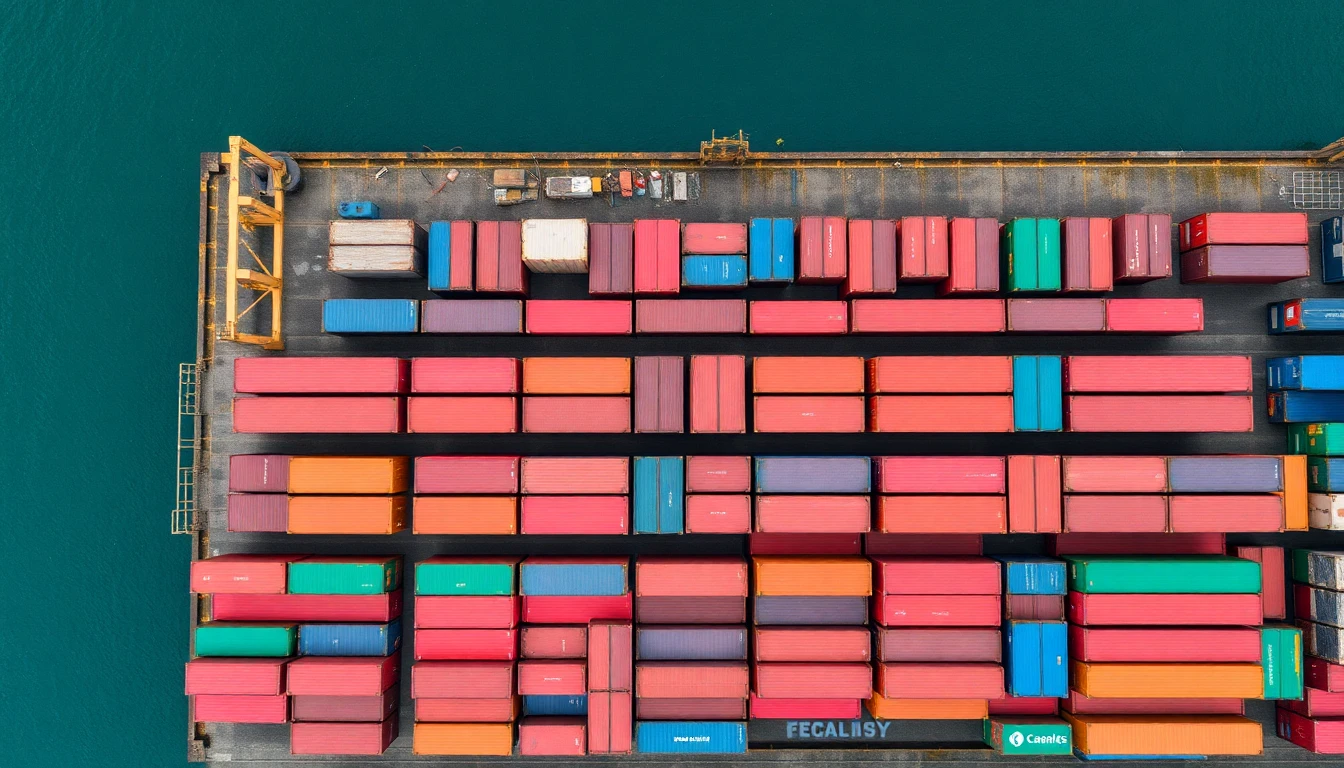
Understanding import and export terms in Indonesia is crucial for logistics professionals. This article covers key concepts and regulations.
Understanding the import and export terms in Indonesia is crucial for logistics professionals and importers. The country has a complex regulatory framework that governs trade, and being familiar with key terms, regulations, and processes can significantly streamline operations.
Import duty is a tax imposed on goods brought into Indonesia. The duty rates vary based on the Harmonized System (HS) code of the product. For example, the import duty for laptops is typically around 0% to 10%, depending on the specifications and country of origin.
In addition to import duties, imported goods are subject to a Value Added Tax (VAT) of 10%. This tax is applicable to most goods and is calculated based on the customs value plus the import duty.
Customs clearance is the process of getting goods through customs so they can enter or leave the country. This involves submitting necessary documentation, including the Bill of Lading, Commercial Invoice, and Packing List. Importers must also provide a Customs Declaration Form (PPJK) and any required permits.
Certain products require an import license before they can be brought into Indonesia. This is particularly true for regulated goods such as pharmaceuticals, chemicals, and food products. The license must be obtained from the relevant government authority, such as the Ministry of Trade or the Food and Drug Supervisory Agency (BPOM).
The Harmonized System (HS) codes are internationally standardized numbers that classify traded products. Each product has a unique HS code, which is crucial for determining applicable duties and taxes. For example, cocoa beans are classified under HS code 1801, and their import duty may vary based on trade agreements and regulations.
An Importer of Record is a person or entity responsible for ensuring that imported goods comply with local laws and regulations. The IOR is also responsible for filing the necessary documentation and paying any applicable duties and taxes. For foreign companies, appointing a local IOR can simplify the import process significantly.
Similar to import licenses, certain goods also require an export license. This is particularly relevant for restricted items such as natural resources, military equipment, and certain agricultural products. Exporters must ensure they comply with local regulations to avoid penalties.
Indonesia has entered into several Free Trade Agreements that can affect import and export duties. These agreements can provide reduced or eliminated tariffs on specific goods. For instance, goods imported from ASEAN countries may benefit from lower duty rates under the ASEAN Free Trade Area (AFTA).
Temporary importation allows goods to be brought into Indonesia for a limited time without paying full duties. This is often used for equipment used in exhibitions or repairs. Importers must provide a guarantee for the duties that would be payable if the goods were not re-exported.
A customs bond is a contract between the importer and the customs authority that ensures compliance with regulations and payment of duties. It acts as a financial guarantee that the importer will fulfill their obligations.
Navigating the import and export landscape in Indonesia requires a solid understanding of various terms and regulations. By familiarizing yourself with these key concepts, you can better manage your logistics and compliance processes. For companies looking to import goods into Indonesia, utilizing an Importer of Record service can further streamline operations and ensure adherence to local regulations. Kickrate offers IOR services to assist companies in their import endeavors.
