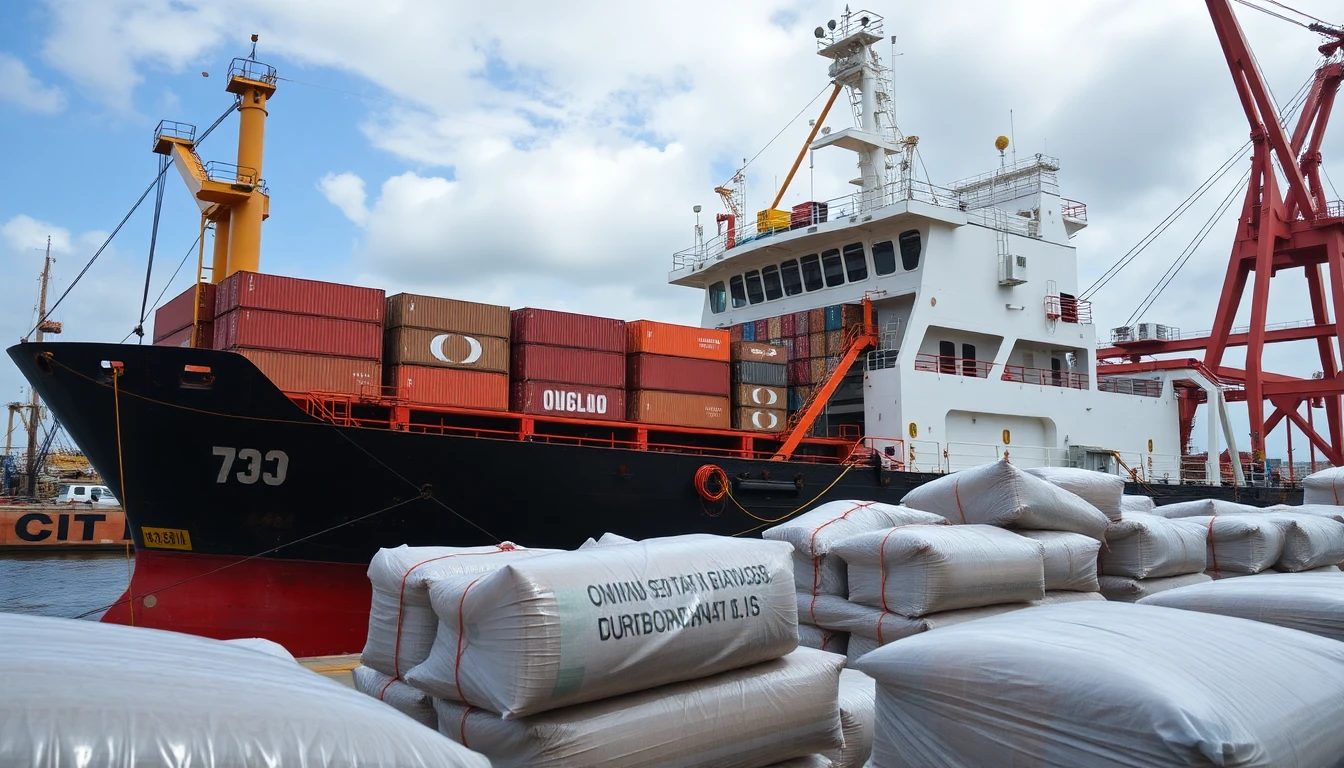
This article provides an overview of Indonesia's export regulations, including licensing, HS codes, duties, and customs processes.
Indonesia is a significant player in the global trade landscape, known for its rich natural resources and diverse range of products. Understanding the export regulations in Indonesia is crucial for logistics professionals and importers looking to navigate this complex environment effectively. This article provides an overview of the key regulations, processes, and requirements for exporting goods from Indonesia.
Before exporting goods from Indonesia, businesses must ensure they have the appropriate licenses. The primary regulatory body overseeing export activities is the Ministry of Trade (MoT). Depending on the product category, exporters may need to obtain an Export License (Surat Izin Usaha Perdagangan or SIUP) or a specific export permit for certain commodities.
For instance, products like cocoa beans and palm oil require specific export permits due to their economic significance and regulatory scrutiny. Exporters should check the latest regulations on the MoT website or consult with local trade offices to ensure compliance.
HS codes play a vital role in international trade, including exports from Indonesia. These codes classify products for customs purposes and help determine applicable tariffs and regulations. For example, the HS code for textiles is 6204, while electronic devices like laptops fall under 8471.
Exporters must accurately classify their goods using the correct HS codes to avoid delays and penalties. The Indonesian Customs and Excise Directorate General provides a comprehensive list of HS codes, which is essential for compliance and efficient processing.
Indonesia imposes various export duties and tariffs depending on the product category. Export duties are generally applied to specific commodities to control domestic supply and encourage local processing. For instance, certain agricultural products may attract export duties ranging from 0% to 50%, depending on the current government policy.
Exporters should be aware of the current duty rates applicable to their products. For example, the export duty for rubber can vary significantly based on market conditions. Regularly checking the official regulations and updates from the Ministry of Finance is advisable to stay informed about any changes.
Exporters must prepare several documents to facilitate the export process. Key documents include:
In addition to these, specific products may require additional documentation, such as health certificates for food products or quality assurance certificates for industrial goods. Exporters should verify the documentation requirements based on the product type and destination country.
The customs clearance process is a critical step in exporting goods from Indonesia. Exporters must submit their documentation to the Directorate General of Customs and Excise (DGCE) for review. The DGCE will assess the documentation, verify the HS codes, and ensure compliance with export regulations.
Once the customs clearance is granted, exporters can proceed with shipping their goods. It is essential to allow sufficient time for customs processing, as delays can occur due to incomplete documentation or discrepancies in the HS codes.
Navigating Indonesia's export regulations requires a thorough understanding of licensing requirements, HS codes, export duties, documentation, and customs processes. By staying informed and compliant, exporters can successfully engage in international trade and leverage Indonesia's rich resources.
For companies looking to import to Indonesia, Kickrate provides Importer of Record (IOR) services to help navigate the complexities of Indonesian trade regulations.
