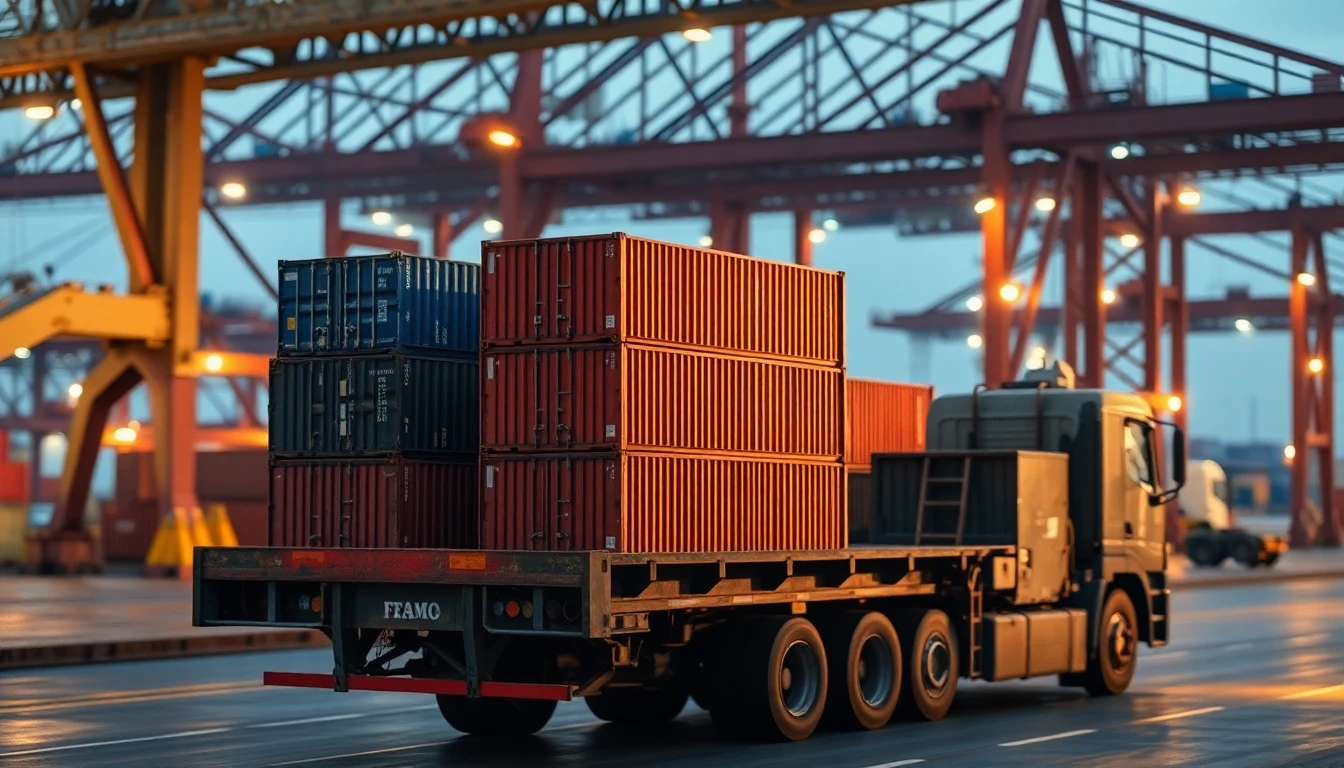
This article explores the various types of cargo in export and import shipments, including HS codes and duty rates relevant to Indonesia.
In the realm of international trade, understanding the types of cargo involved in export and import shipments is crucial for logistics professionals and importers. Different kinds of cargo are subject to various regulations, tariffs, and documentation requirements. This article explores the main categories of cargo, their associated HS codes, and relevant duty rates in Indonesia.
General cargo refers to goods that are not classified as bulk or specialized cargo. This category includes a wide range of products, from consumer goods to industrial machinery. General cargo is typically transported in containers, making it easier to handle and manage during transit.
Some common HS codes for general cargo include:
The duty rates for general cargo can vary significantly based on the product type and origin. Importers should consult the Indonesian Customs Tariff Book for specific rates.
Bulk cargo is typically uncontainerized and is transported in large quantities. This category includes liquid bulk (like oil and chemicals) and dry bulk (such as grains and minerals). Bulk shipments require specialized handling and storage facilities.
Examples of HS codes for bulk cargo include:
Duty rates for bulk cargo are generally lower than those for general cargo, but they can vary based on the product and its country of origin.
Perishable goods are items that have a limited shelf life and require special handling and storage conditions. This category includes food items, pharmaceuticals, and certain chemicals. Importers must ensure compliance with health and safety regulations when importing perishable goods into Indonesia.
Some relevant HS codes for perishable goods include:
The duty rates for perishable goods can be higher due to the need for stringent quality control measures and compliance with food safety regulations.
Hazardous materials are substances that pose a risk to health, safety, or the environment. This category includes chemicals, explosives, and radioactive materials. Importers of hazardous materials must adhere to strict regulations and obtain necessary permits before shipment.
Examples of HS codes for hazardous materials include:
Duty rates for hazardous materials can be significantly higher due to the additional regulatory requirements and handling procedures.
Understanding the different kinds of cargo in export and import shipments is essential for logistics professionals and importers. Each category has its own set of regulations, HS codes, and duty rates that must be considered during the import process. Importers should stay informed about the latest regulations and consult with customs experts to ensure compliance and avoid potential delays.
For companies looking to navigate the complexities of importing to Indonesia, Kickrate offers Importer of Record (IOR) services to facilitate compliance and streamline the import process.
