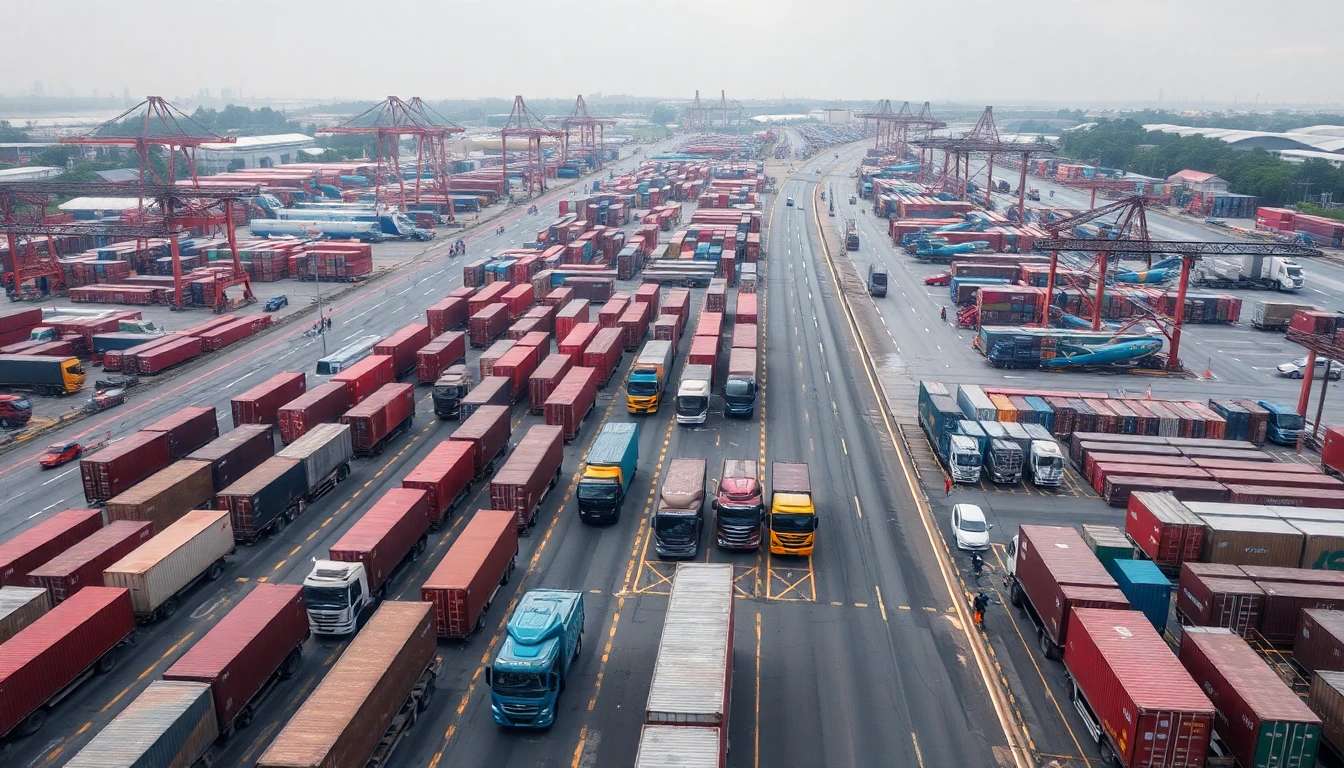
This article explores the key differences between logistics and supply chain management, focusing on their roles in Indonesian trade.
In the realm of international trade and commerce, the terms "logistics" and "supply chain" are often used interchangeably. However, they represent distinct concepts that play crucial roles in the movement of goods and services. Understanding the differences between them is essential for logistics professionals and importers navigating the complexities of global trade, especially in a market like Indonesia.
Logistics refers to the detailed coordination of complex operations involving people, facilities, and supplies. It encompasses the planning, implementation, and control of the flow and storage of goods, services, and related information from the point of origin to the point of consumption. In simpler terms, logistics is about getting the right product to the right place at the right time.
The supply chain is a broader concept that encompasses all the steps involved in getting a product from its original state to the consumer. It includes not only logistics but also the entire network of suppliers, manufacturers, distributors, and retailers. The supply chain is concerned with the flow of materials, information, and finances as they move from supplier to manufacturer to wholesaler to retailer to consumer.
While logistics is a part of the supply chain, there are several key differences:
When dealing with logistics and supply chain management in Indonesia, it is essential to be aware of local regulations and tariffs. For instance, the import duty rates can vary significantly depending on the product category. For example, the import duty for electronics can range from 0% to 15%, depending on the specific HS code.
Additionally, importers must comply with regulations set by the Indonesian Customs and Excise Department. This includes proper documentation, such as the Bill of Lading, Commercial Invoice, and Import Declaration, to ensure smooth customs clearance.
In summary, while logistics and supply chain management are interconnected, they serve different purposes in the world of trade. Logistics focuses on the efficient movement and storage of goods, while the supply chain encompasses the entire process from production to consumption. Understanding these differences is crucial for logistics professionals and importers operating in Indonesia's dynamic trade environment.
For companies looking to navigate the complexities of importing into Indonesia, partnering with a reliable Importer of Record (IOR) service provider can streamline the process and ensure compliance with local regulations. Kickrate offers IOR services to assist businesses in managing their import needs effectively.
