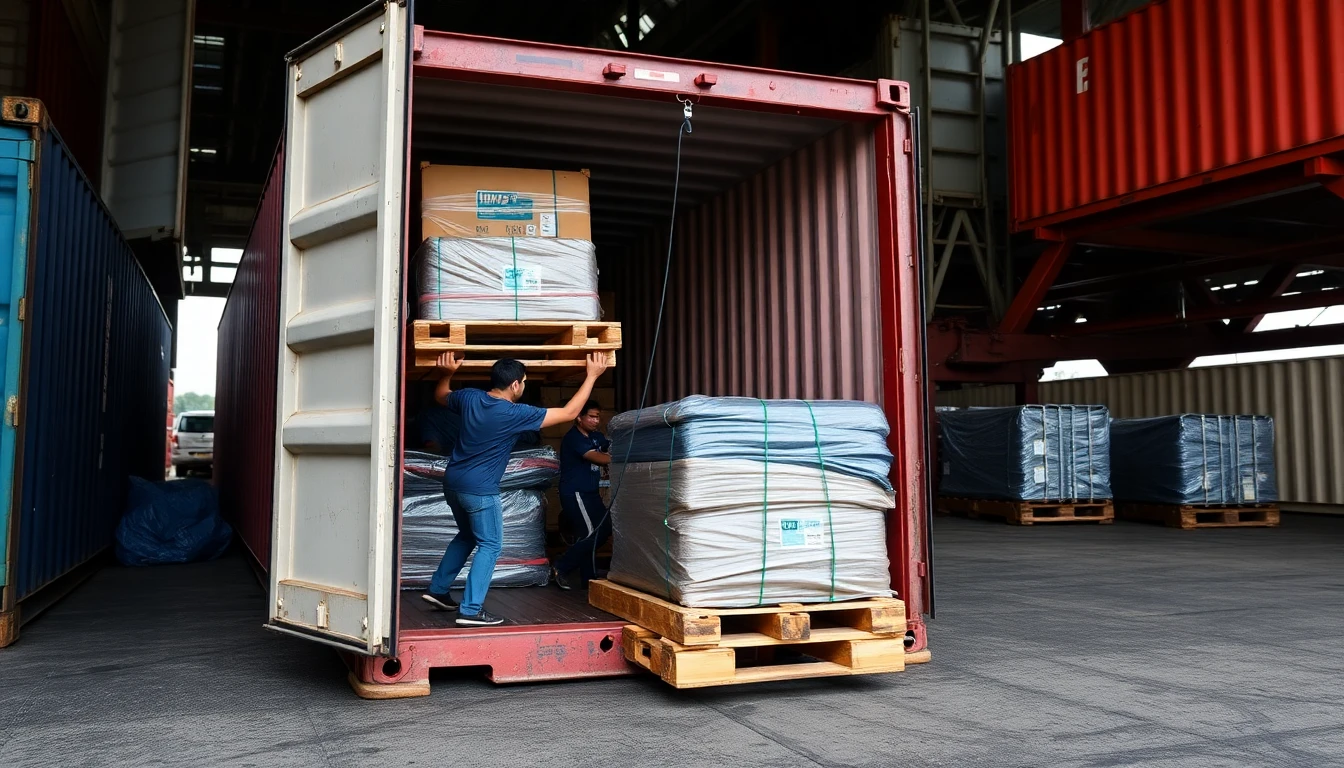
Understanding Cargo Stuffing in Export-Import Shipments
Cargo stuffing is a crucial process in the logistics and shipping industry, particularly for export and import shipments. It refers to the method of loading cargo into containers or shipping vessels in a manner that maximizes space utilization while ensuring the safety and integrity of the goods being transported. This process is essential for optimizing shipping costs and ensuring compliance with international shipping regulations.
The Importance of Proper Cargo Stuffing
Proper cargo stuffing is vital for several reasons:
- Space Optimization: Efficiently stuffed cargo allows for the maximum use of container space, which can lead to reduced shipping costs.
- Damage Prevention: Properly stuffed cargo minimizes movement during transit, reducing the risk of damage to goods.
- Compliance with Regulations: Adhering to stuffing regulations helps prevent fines and delays at customs.
Key Considerations in Cargo Stuffing
When it comes to cargo stuffing, several factors must be considered:
- Weight Distribution: It’s crucial to distribute weight evenly within the container to maintain balance during transit. Overloading one side can lead to tipping or damage.
- Cargo Type: Different types of cargo require specific stuffing techniques. For example, fragile items like glassware need to be cushioned and secured, while bulk items like cocoa beans can be loaded more freely.
- Container Type: The type of container used (e.g., standard dry containers, refrigerated containers, or flat racks) will influence how cargo is stuffed.
Regulations and Best Practices
In Indonesia, there are specific regulations governing cargo stuffing that importers and exporters must adhere to:
- Customs Regulations: The Indonesian Customs (Direktorat Jenderal Bea dan Cukai) mandates that all cargo must be stuffed in compliance with the customs regulations to prevent smuggling and ensure proper duty assessment.
- International Standards: The International Maritime Organization (IMO) has guidelines for the safe packing of cargo, particularly for hazardous materials.
HS Codes and Duty Rates
Understanding the Harmonized System (HS) codes relevant to your cargo can aid in compliance and duty assessment. For instance, if you are exporting textiles, you would refer to HS code 6201 for men’s or boys’ suits. The duty rates for textiles can vary, so it’s essential to check the latest regulations on the Indonesian Customs website.
The Cargo Stuffing Process
The cargo stuffing process typically involves the following steps:
- Preparation: This includes sorting and packing the cargo according to its type and weight.
- Loading: Cargo is loaded into the container, ensuring proper weight distribution and securing items to prevent movement.
- Sealing: Once stuffed, the container is sealed and documented for customs clearance.
- Documentation: Proper documentation, including the packing list and bill of lading, must be prepared to facilitate smooth customs clearance.
Conclusion
In summary, cargo stuffing is a critical aspect of the export-import process that requires careful planning and execution. By understanding the regulations, best practices, and the importance of proper stuffing techniques, logistics professionals can ensure the safe and efficient transport of goods. For companies looking to navigate the complexities of importing to Indonesia, it’s worth noting that Kickrate provides Importer of Record (IOR) services to assist with compliance and logistics management.