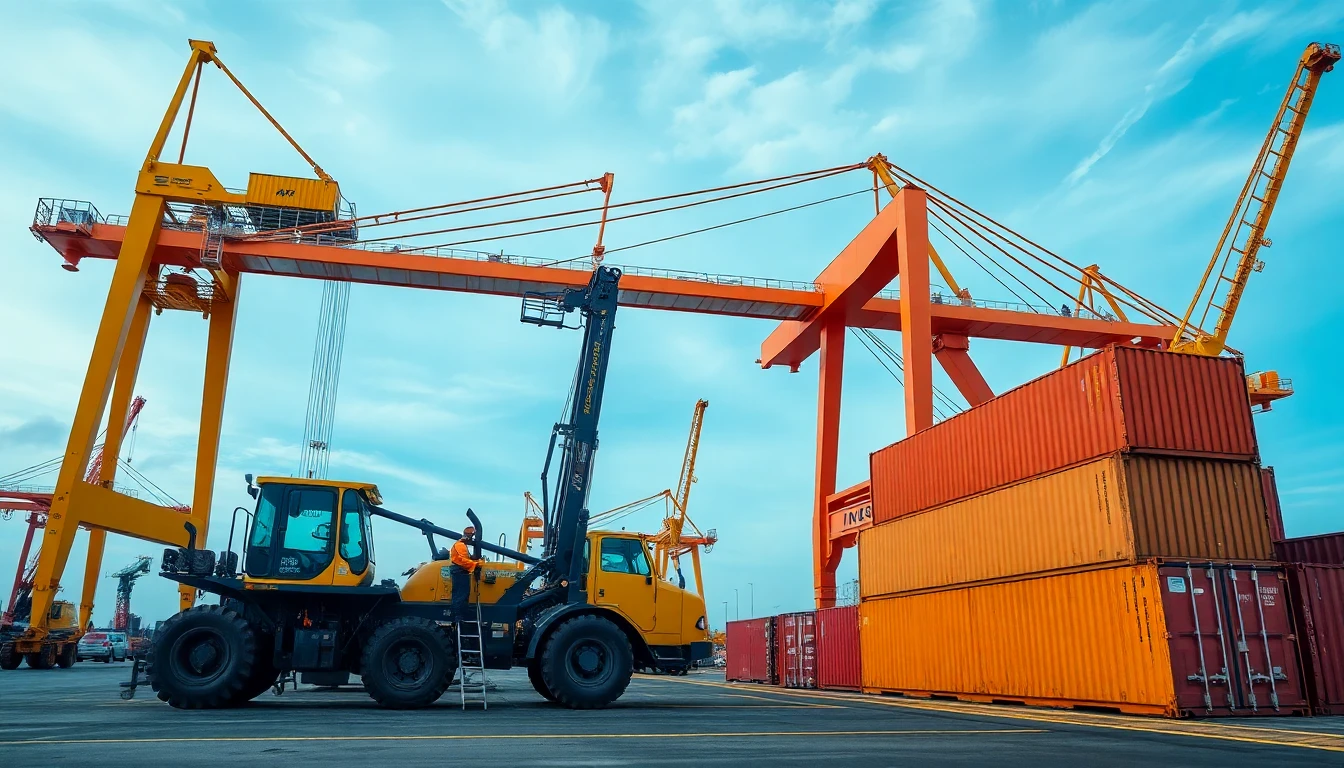
This article explains the temporary import process in Indonesia, including regulations, required documentation, and compliance measures.
Temporary import refers to the process of bringing goods into a country for a limited period without the need to pay full import duties. This is particularly relevant for businesses that require equipment or materials for a short time, such as exhibitions, repairs, or testing.
In Indonesia, the temporary import process is governed by several regulations, primarily under the Directorate General of Customs and Excise (DGCE). The main regulation is the Minister of Finance Regulation No. 203/PMK.04/2017, which outlines the procedures and requirements for temporary imports.
To qualify for temporary import status, goods must meet specific criteria:
When applying for a temporary import permit, importers must provide several documents, including:
Temporary imports are subject to specific HS codes, which classify the goods for customs purposes. For example:
The duty rates for temporary imports are generally lower than those for permanent imports, as importers are often only required to pay a fraction of the standard duties. However, it is crucial to check the specific duty rates applicable to the HS code of the imported goods.
Failure to comply with the temporary import regulations can result in penalties, including:
Temporary importation can be a beneficial process for businesses looking to utilize goods in Indonesia for a limited time. Understanding the regulations, required documentation, and compliance measures is essential for a smooth import process.
For companies looking to navigate the complexities of importing to Indonesia, including temporary imports, Kickrate offers Importer of Record (IOR) services to ensure compliance with local regulations and facilitate the import process efficiently.
